When families are choosing where and how their children play and learn, the philosophies behind the play environment matter. At Nook & Cranny, we’re inspired by Montessori, nature‑based play, and the “open play” / Reggio mindset. So in this article, we’ll look at three of the most popular early childhood philosophies — Montessori, Waldorf and Reggio Emilia — side by side, highlight what they share, where they differ, and then explain how we bring elements of them into our indoor play space in Hamden, CT.
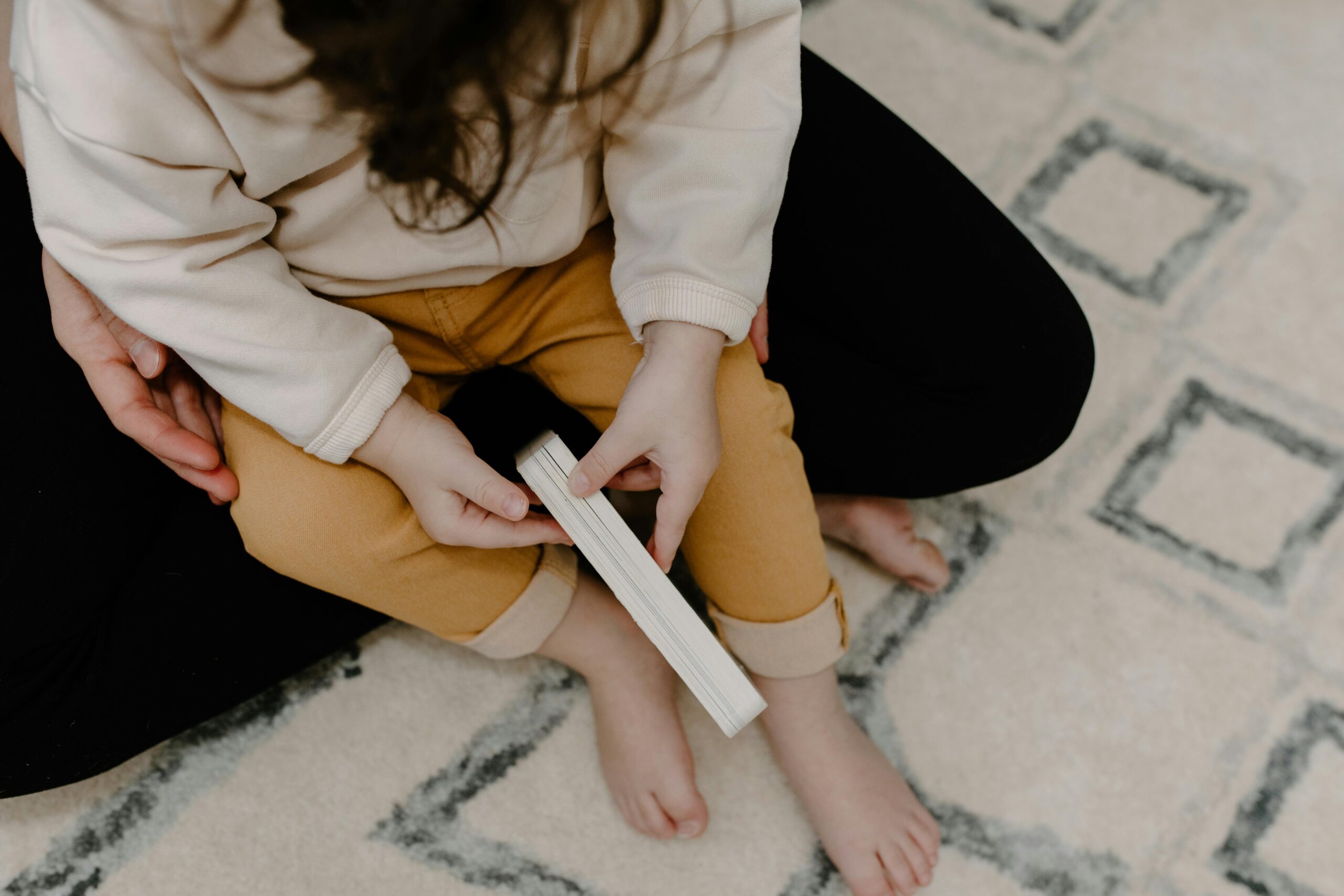
Montessori, Waldorf, and Reggio Emilia: What It Means for Your Child at Nook & Cranny
Choosing a play space isn’t just about toys — it’s about the philosophy behind how children learn and explore. At Nook & Cranny in Hamden, CT, we draw inspiration from Montessori, Waldorf, and Reggio Emilia, blending the best of each to create a thoughtful, engaging environment.
What Are These Approaches?
Montessori
Developed by Dr. Maria Montessori, this method emphasizes independence, choice, and hands-on learning. Children select their own work, use tactile materials, and work at their own pace in a prepared environment.
Waldorf
Founded by Rudolf Steiner, Waldorf education nurtures the whole child — body, mind, and spirit. It emphasizes imagination, rhythm, arts, nature, storytelling, and delayed academics, creating a calm, creative atmosphere.
Reggio Emilia
Originating in post-WWII Italy, this approach sees children as capable researchers. Projects are driven by their ideas, the environment acts as a “third teacher,” collaboration is key, and adults document and co-create learning experiences.
What They Have in Common
All three approaches share core beliefs:
- Children are competent, capable learners.
- Learning is hands-on and experiential.
- The environment, materials, and relationships shape learning.
- The whole child — social, emotional, cognitive, practical — is valued.
- Play, exploration, and curiosity take priority over rote instruction.
Key Differences
| Feature | Montessori | Waldorf | Reggio Emilia |
|---|---|---|---|
| Materials | Structured, defined, purposeful | Open-ended, arts-based, natural | Flexible, child-driven projects |
| Role of Adult | Guide/observer | Storyteller/artist | Co-learner, collaborator |
| Curriculum | Self-paced mastery | Delayed academics, rhythm & imagination | Emergent, based on children’s interests |
| Grouping | Mixed ages | Usually same-age groups | Flexible, collaborative project groups |
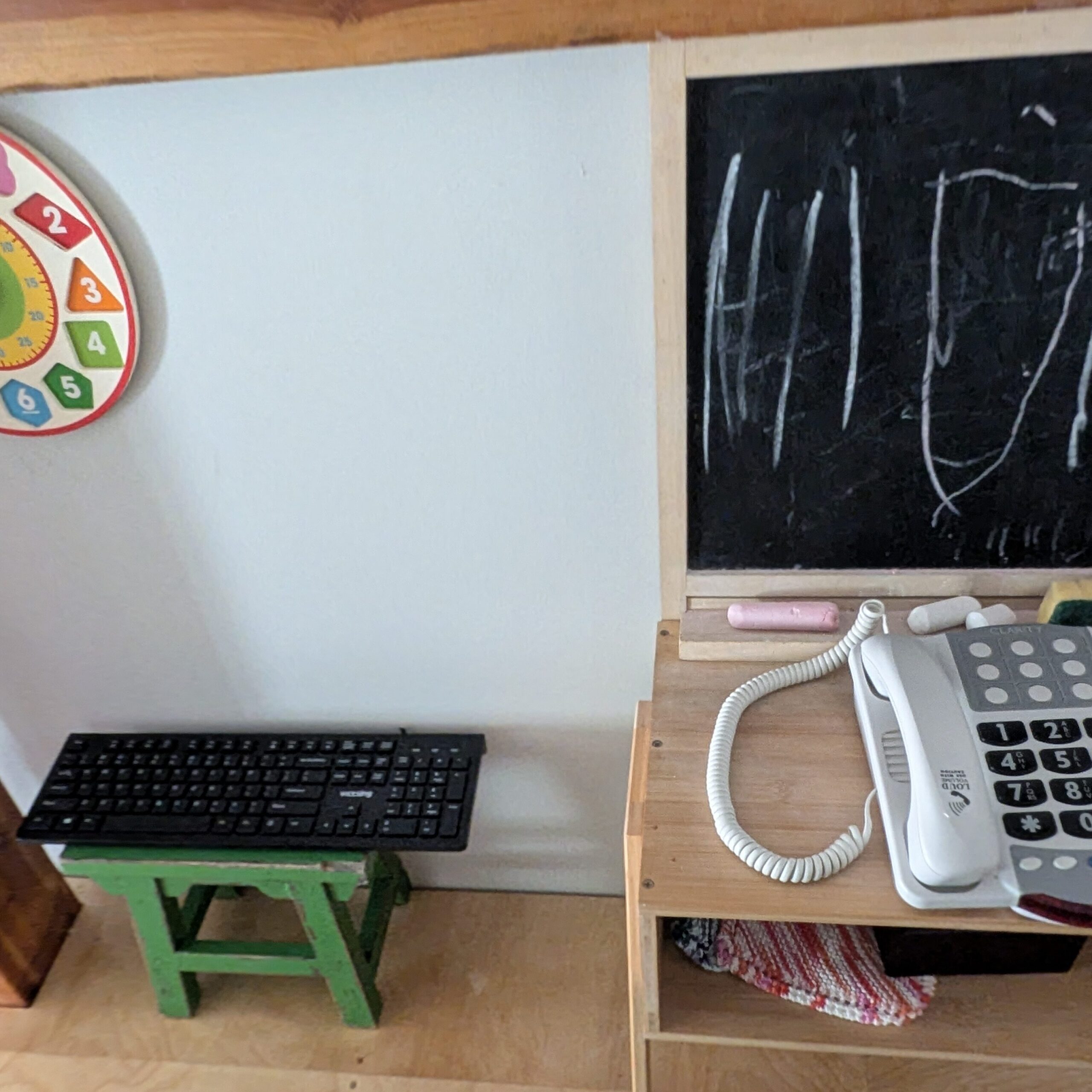
| Tech | Minimal | Limited early | Used as a tool, if at all |
How Nook & Cranny Brings Them Together
- Montessori-inspired: Children choose from open shelves of thoughtfully arranged materials.
- Waldorf-inspired: Natural textures, wood, plants, and calm rhythms create a warm, imaginative environment.
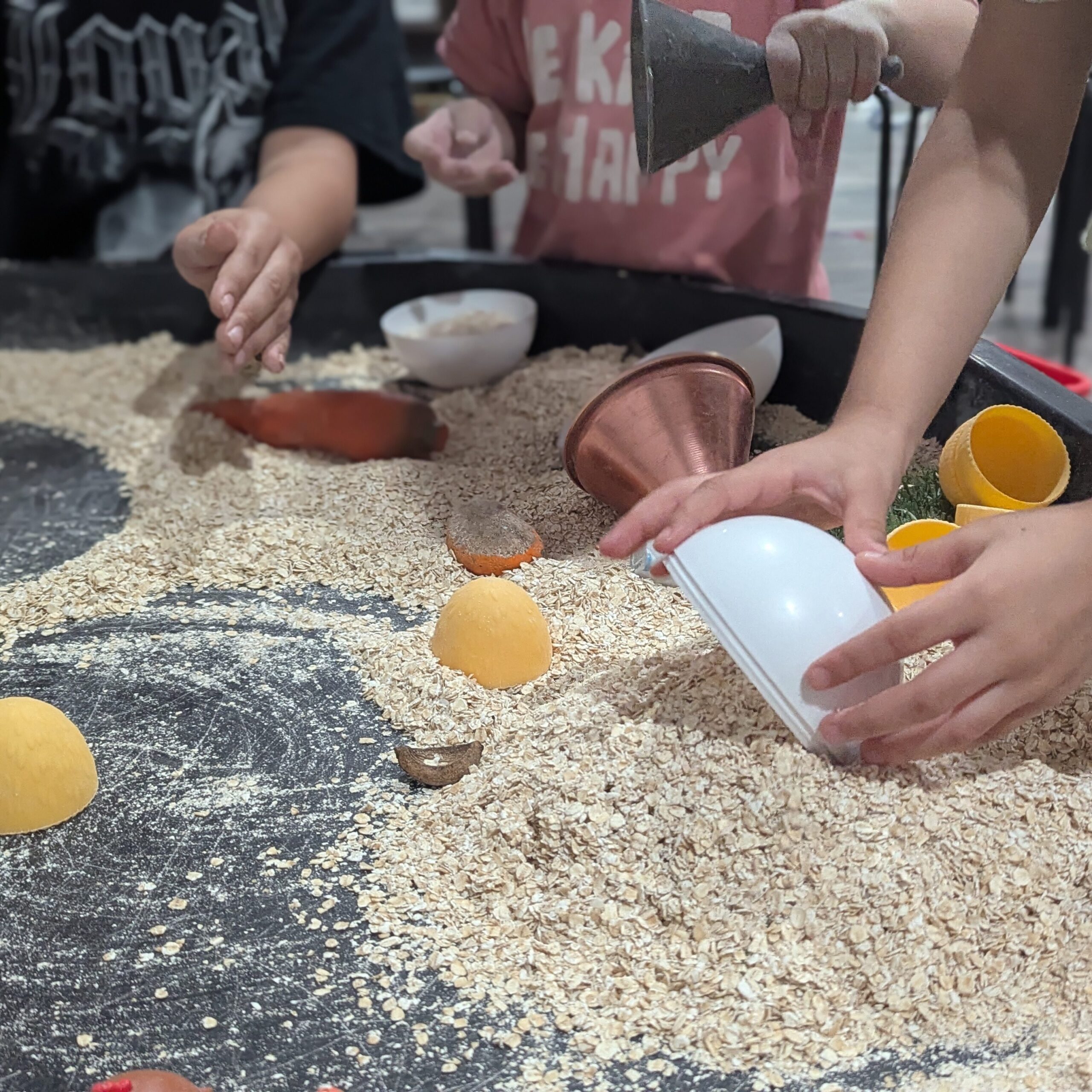
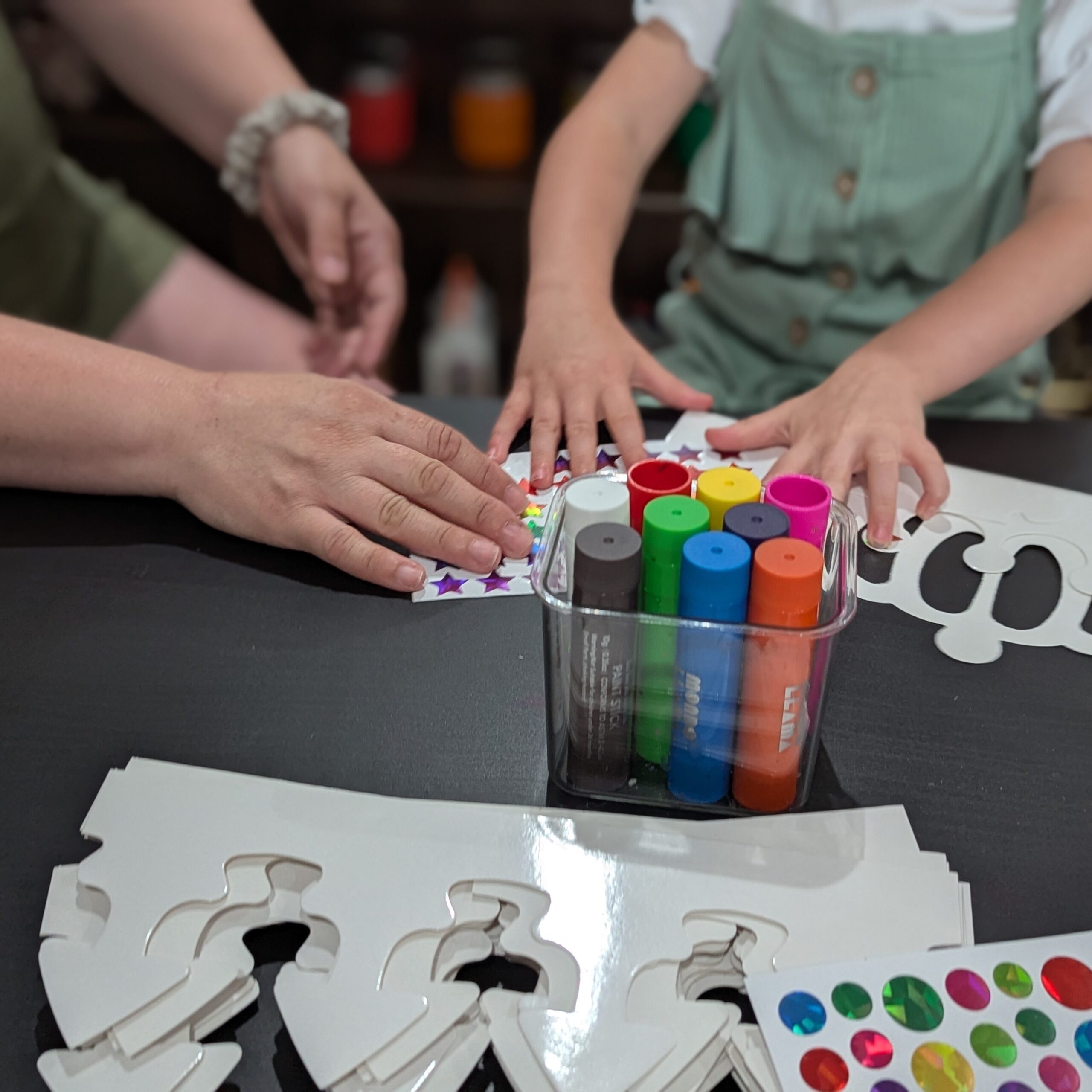
- Reggio-inspired: Loose parts, collaborative projects, and opportunities to reflect and document learning.
Our space is calm, uncluttered, child-led, and intentionally designed to nurture curiosity, independence, creativity, and social growth.
Which Approach Fits Your Child?
- Montessori-style learners: Thrive when self-directing, choosing materials, and focusing independently.
- Waldorf-style learners: Flourish in imaginative, artistic, and story-rich play.
- Reggio-style learners: Shine in collaborative, inquiry-driven projects.
At Nook & Cranny, children don’t have to choose just one philosophy — we blend them, honoring each child’s interests and learning style.